
Ravah turns one-time capital into a self-replenishing system that funds businesses, generates income, and produces ongoing grants—without debt or dilution.
Traditional finance assumes stability, but most entrepreneurs Ravah exists to serve operate in volatility: seasonal revenue, informal markets, zero safety nets.
In the current system, debt demands fixed payments, breaking businesses in lean months. Equity requires ownership, often disadvantaging founders. Grants don’t return, stalling impact.
Ravah replaces fixed repayments with a percentage of monthly revenue, so payments flex with income. There's no collateral at entry, then collateral becomes protected savings and future investment capital at scale. As capital recycles and incentives align, a path from entrepreneur to investor is created.

Since 2023, Ravah has operated in some of the most challenging economic environments in the world. Through Ethiopia, Mozambique, and Kenya, we could find what breaks before moving larger amounts. If the model could work here, it could work almost anywhere.
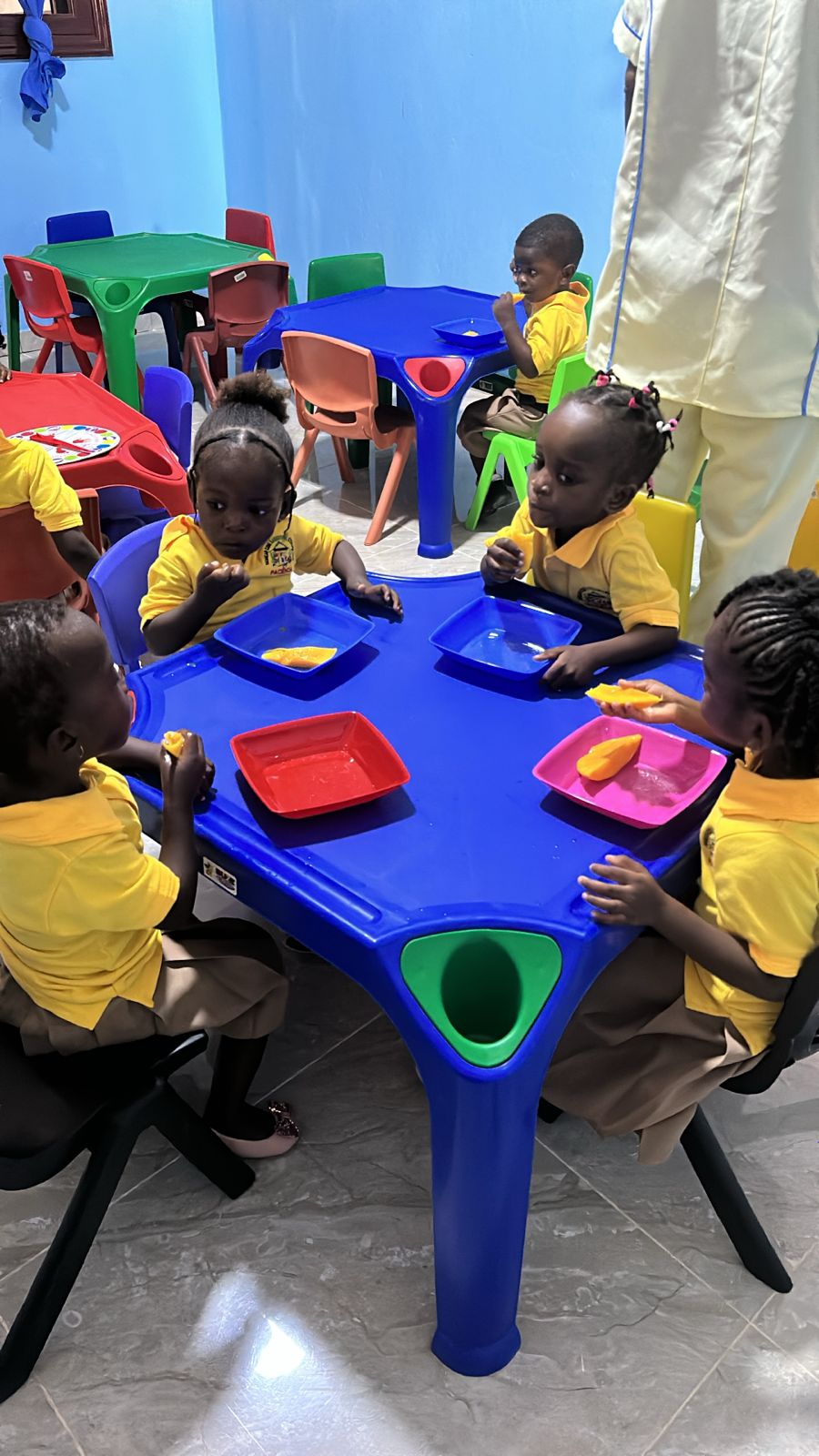
50 businesses were funded across four waves. When Ethiopia's currency collapsed, the groups kept meeting, kept mentoring, kept hosting street youth at their businesses. Financial returns were minimal; the accountability outlasted the economy.
complete
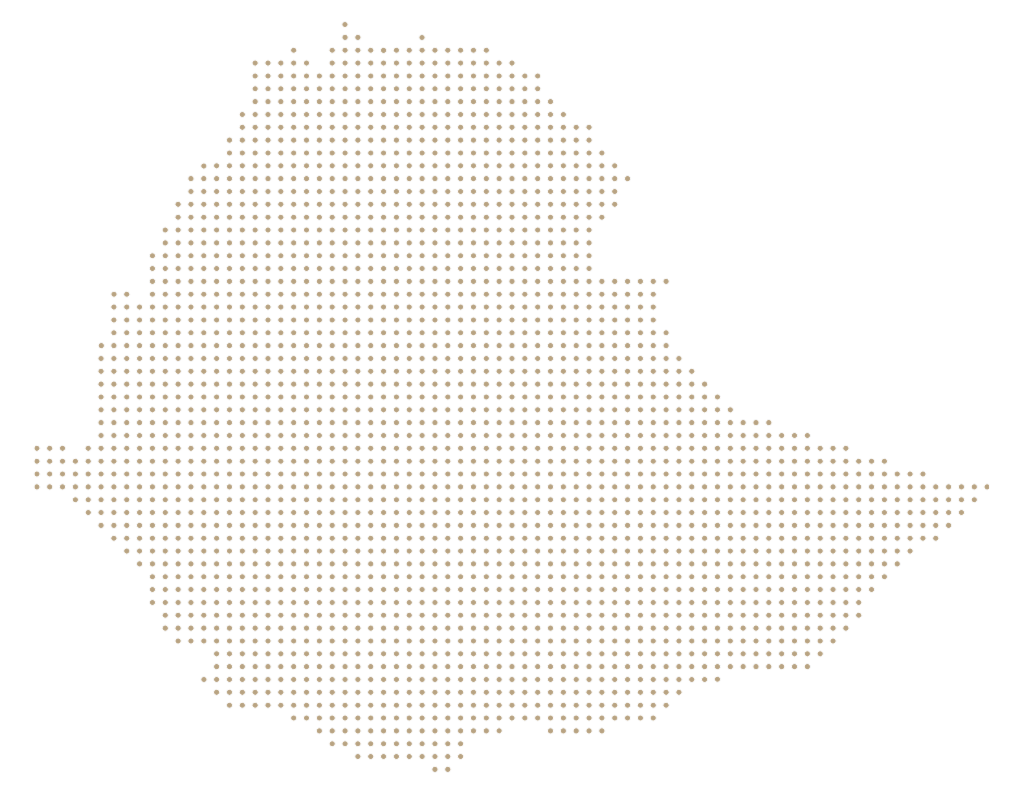
Pemba faces chronic poverty, insurgency-driven displacement, and almost no banking access. Since Nov 2023, Pemba has been Ravah's primary proving ground with multiple ventures: nursery school, crop farms, animal farm, with a construction company pre-launch.
active
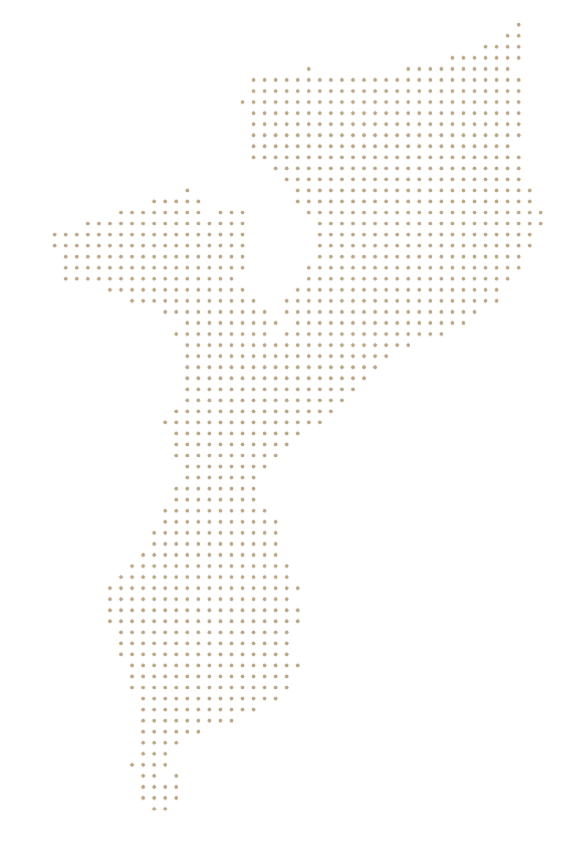
Four families in Embu and Kirinyaga Counties completed training and built poultry houses in 2024. The pilot stalled because capital to stock the houses wasn't available. Infrastructure is complete; families remain ready. This is a low-cost activation waiting for funding.
Paused
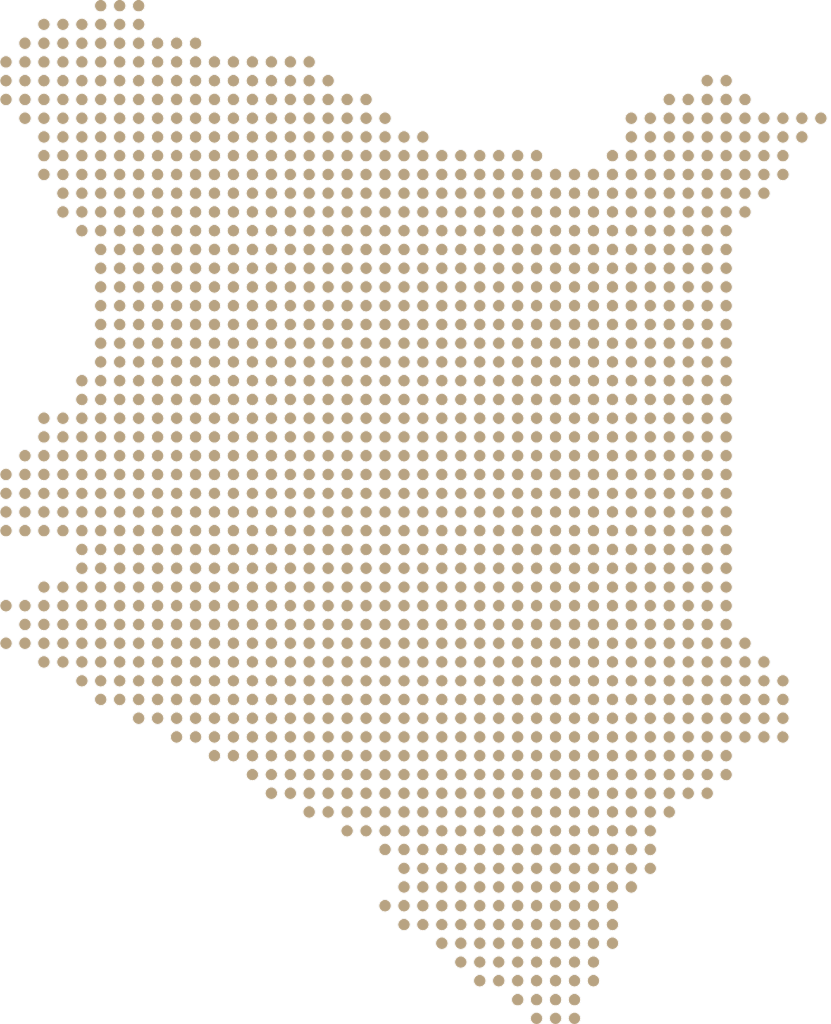

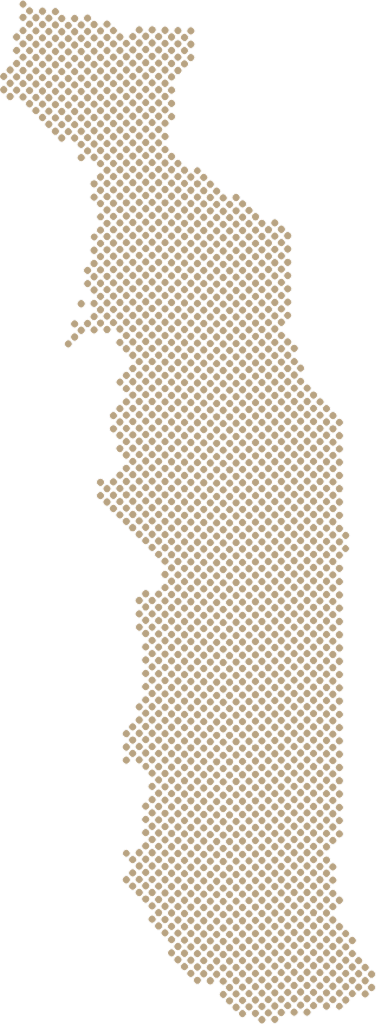
Togo applies lessons learned from the first 3 pilots from the start.
Our local partner comes in with community trust, training infrastructure, and on-the-ground staff in place. Their program and participant network existed well before CIL entered the picture. The OHADA commercial contracts include clear exit criteria. The advisory board, investment committee, and dispute process are set before any money is moved.
Launching April 2026

